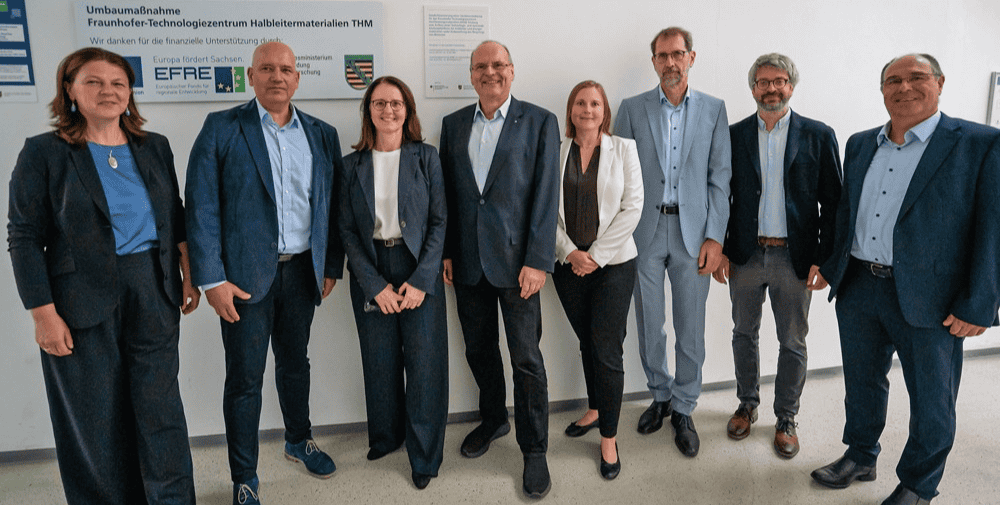
Since 2020, measures to establish a new research and technology transfer platform have been funded with a total of 8 million euros in public funds. Of this amount, 4 million euros came from the Saxon state budget using funds from the European Regional Development Fund (ERDF); an additional 4 million euros were provided as part of a federal-state funding arrangement, with half coming from the Free State of Saxony and half from the Federal Ministry of Research, Technology, and Space (BMFTR). The goal was to pool the expertise of the Fraunhofer Institutes for Ceramic Technologies and Systems (IKTS) and for Integrated Systems and Device Technology (IISB) in Freiberg, and to further strengthen Saxony as a hub for innovation in semiconductor and energy materials, including material characterization and recycling.
Fraunhofer THM as a Sustainable Research and Technology Transfer Platform
Today, Fraunhofer THM combines fundamental expertise in materials science with applied research and industrial technology transfer. Thanks to public funding, the laboratory and pilot plant infrastructure, as well as extensive analytical and process equipment—including digital data acquisition—have been specifically expanded. As a result, the facility not only investigates materials on a laboratory scale but also develops, tests, and evaluates complete process chains under real-world conditions.
Research conducted over the past six years includes, among other things:
- Battery systems based on solid electrolytes, which can be investigated in a special dry-room environment at the THM,
- semiconductor materials for applications in power and quantum electronics across the entire value chain—from manufacturing and analysis to the development of initial components,
- Measurement methods that allow components to be tested for reliability and performance directly during operation,
- Methods for recovering strategically important raw materials through sustainable recycling processes, for example, for lithium-ion batteries and electronic components.
The seed funding thus not only enabled the establishment of modern research infrastructure but also laid the foundation for Freiberg to establish itself as a partner in national research initiatives and to secure extensive federal collaborative projects.
Research Creates Value in Saxony
“With our funding, we have deliberately invested in future technologies. The Fraunhofer THM impressively demonstrates how public seed funding strengthens scientific excellence, accelerates innovation, and creates new opportunities for Saxony as a business hub,” says State Secretary Prof. Dr. Heike Graßmann, praising the work carried out to date by researchers at the THM in Freiberg.
For the two participating Fraunhofer Institutes as well, the joint location has become an important driver of innovation.
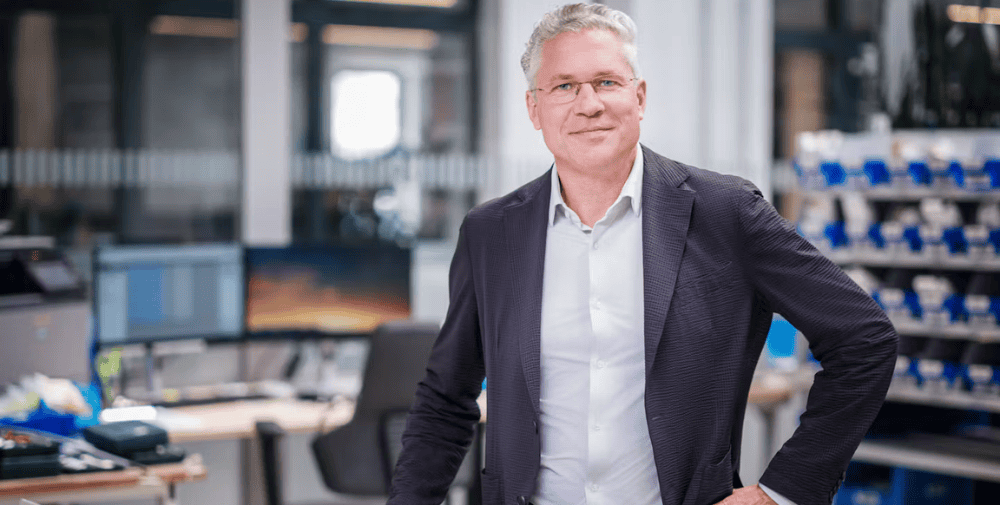
Dr. Mareike Partsch, site director of THM/IKTS, emphasizes: “The funding has made it possible to build new expertise in the field of sustainable energy materials and to develop solutions for resource-efficient energy storage systems together with our industry partners. Today, we have a high-performance research environment that specifically supports the transfer to industrial applications.”
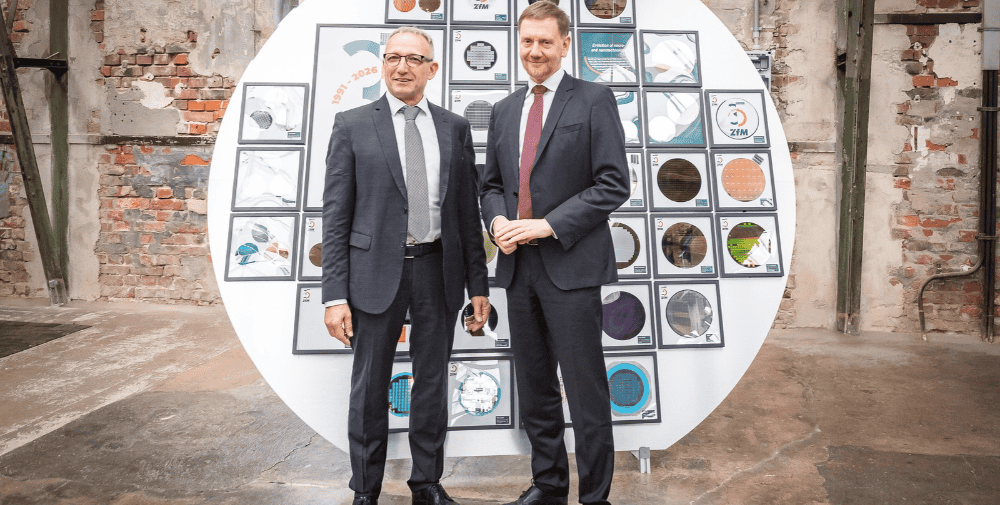
“The THM combines excellent materials research with application-oriented technology development for semiconductor technologies. The close collaboration between IISB and IKTS enables innovations along the entire value chain to be transformed more quickly into marketable solutions,” adds Prof. Johannes Heitmann, Site Director of THM/IISB.
Successful Development with an Eye Toward the Future
The first funding phase laid the foundation for numerous research projects and new collaborations with companies. Fraunhofer THM has thus established itself as a high-performance research and technology transfer platform for high-performance and energy materials. Building on the structures that have been created, Fraunhofer IKTS and Fraunhofer IISB intend to further expand their work in the future—particularly in the areas of solid-state and postlithium-based battery systems, data-driven process optimization, energy storage for critical infrastructure, and semiconductor materials for applications in power and quantum electronics. In addition, the THM is to be further developed as an innovation hub for startups. In this way, the Freiberg site is making an important contribution to the technological sovereignty of Germany and Europe, as well as to the successful implementation of the energy transition.
Funding Information
This initiative is co-financed by tax revenues based on the budget approved by the Saxon State Parliament.
– – – – –
Related Links
👉 www.ikts.fraunhofer.de
Photo: Fraunhofer IKTS