June 16, 2026. Secure healthcare solutions, smart platforms, and modular systems form the foundation for a new generation of medical innovations.
Categories

June 16, 2026. Secure healthcare solutions, smart platforms, and modular systems form the foundation for a new generation of medical innovations.
Categories
Tags
Contact info
Silicon Saxony
Marketing, Kommunikation und Öffentlichkeitsarbeit
Manfred-von-Ardenne-Ring 20 F
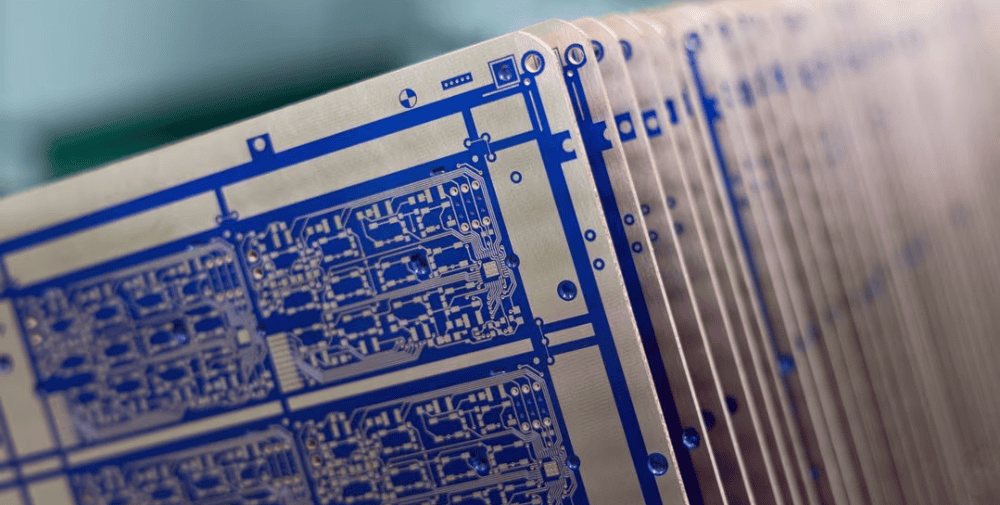
Secure healthcare solutions, smart platforms, and modular systems form the foundation for a new generation of medical innovations. The SEMECO (Secure Medical Microsystems and Communications) future cluster is developing medical semiconductors as a key technology for secure, connected, and intelligent medical technology. SEMECO will present its latest developments at the Silicon Saxony Days in Dresden from June 15 to 17, 2026. As part of the BMFTR’s Clusters4Future initiative, the cluster will receive up to 15 million euros in funding for the second funding phase over the next three years. The Free State of Saxony has supported the SEMECO cluster from the very beginning and is backing additional regional research and development projects as part of Saxony’s ERDF technology funding program for 2021–2027.
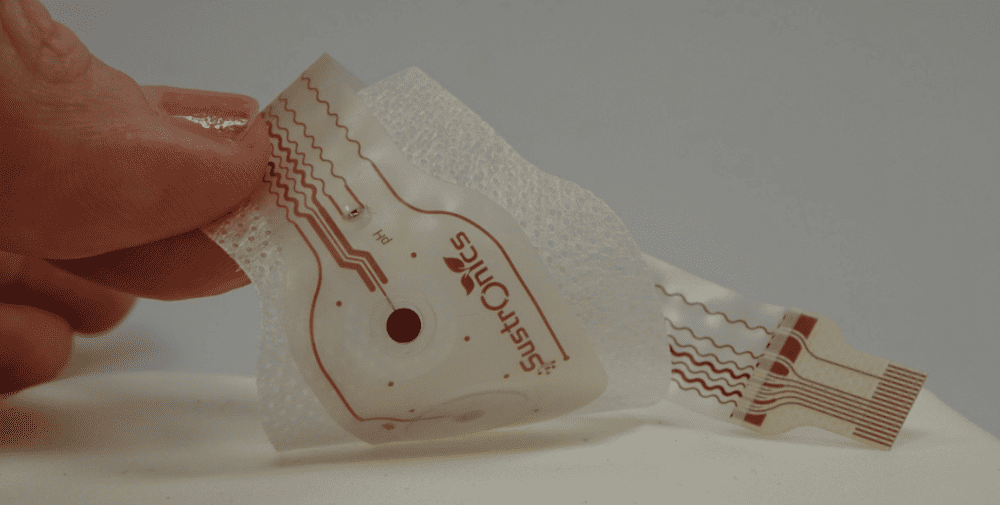
In the second funding phase, SEMECO is sharpening its focus on standardizable medical semiconductor platforms and their transfer to industrial and clinical applications. Medical semiconductors are specialized microsystems that tailor sensor technology, data processing, secure communication, and AI-supported functions specifically to the requirements of medical technology. Based on a modular platform approach, the project is developing flexibly combinable semiconductor, electronic, and software components that can be securely integrated and gradually further developed. AI-supported methods to assist with certification and approval are intended to further accelerate the transfer of new technologies into medical applications. The fields of application range from portable ultrasound devices and smart sensors for measuring vital signs to secure communication implants for people with impaired hearing and speech. In this way, SEMECO addresses key challenges in modern medical technology, such as long development cycles, complex approval procedures, and a lack of interoperability among medical systems.
“As part of the Silicon Saxony innovation ecosystem, SEMECO brings together regional microelectronics expertise across the entire value chain. In the first funding phase, we were able to demonstrate that the close integration of semiconductor and communication technologies enables new medical technology applications. In the second funding phase, we are focusing even more strongly on the application, standardization, and market launch of medical semiconductors,” say cluster spokespersons Prof. Gerhard Fettweis and Prof. Jochen Hampe. “In doing so, SEMECO is sending a strong signal for Dresden as a center for research and business and underscores its commitment to further strengthening Saxony’s position as a leading region for medical microelectronics and smart medical technology in Europe.”
To ensure that Saxony remains a hub of innovation, the Free State of Saxony supports Saxon companies and their cooperation partners in research, development, and technology transfer through the technology- and industry-neutral EFRE/JTF technology funding program. For example, Saxony is funding several R&D projects of the SEMECO Future Cluster as part of the 2021–2027 ERDF technology funding program and is utilizing the STEP Regulation (Strategic Technologies for Europe) for the second funding phase. The goal of these R&D projects is to support initiatives in technology fields critical to Europe—such as digital technologies, technology-intensive innovations, and biotechnologies—thereby driving industrial transformation and strengthening Europe’s economic resilience. “SEMECO combines medicine with microelectronics, making it a driver of innovation in Silicon Saxony. The cluster contributes to the interdisciplinary networking of Saxon startups, small and medium-sized enterprises, large semiconductor companies, and the local research community. SEMECO thus makes a decisive contribution to overcoming the high barriers to market entry in the medical sector, bringing technology-driven innovations from science into practical application. Groundbreaking medical innovations ‘made in Saxony’ thus offer the opportunity to improve people’s lives worldwide and to create high-quality jobs and complex value creation in the Free State of Saxony. Furthermore, the goal is to improve European value creation and competitiveness through intelligent, globally unique products. The projects of the SEMECO cluster make a significant contribution to this,” said Dirk Panter, Minister of State for Economic Affairs, Labor, Energy, and Climate Protection.
Frank Bösenberg, Managing Director of Silicon Saxony, adds: “SEMECO demonstrates how Saxony’s expertise in microelectronics can be translated into new markets of the future. The future-oriented cluster combines cutting-edge research in microelectronics, sensor technology, communication technologies, artificial intelligence, and medicine into an integrated innovation approach for the digital healthcare of tomorrow. This is of particular strategic importance for Saxony as a business location. For decades, the region’s technological strength has been shaped primarily by the development and manufacturing of semiconductors. SEMECO is now taking a decisive step forward and laying the foundation for a new generation of intelligent cyber-medical systems. Networked implants, secure medical communication solutions, portable diagnostic systems, and medical semiconductor platforms exemplify the connection between microelectronics and tangible societal benefits. Particularly compelling is the commitment to consider technological innovation, cybersecurity, and regulatory requirements together from the very beginning. This creates the conditions for bringing digital medical devices into clinical care more quickly, more safely, and more efficiently. Europe needs precisely these kinds of bridges between research, industry, and application to maintain its technological leadership in strategic future markets. The approval for the second funding phase is therefore far more than just a success for the consortium. It is proof of the international competitiveness of Saxony as a high-tech hub and of the potential to develop new industrial value chains and a globally visible leading market for digital medical technologies based on excellent microelectronics.”
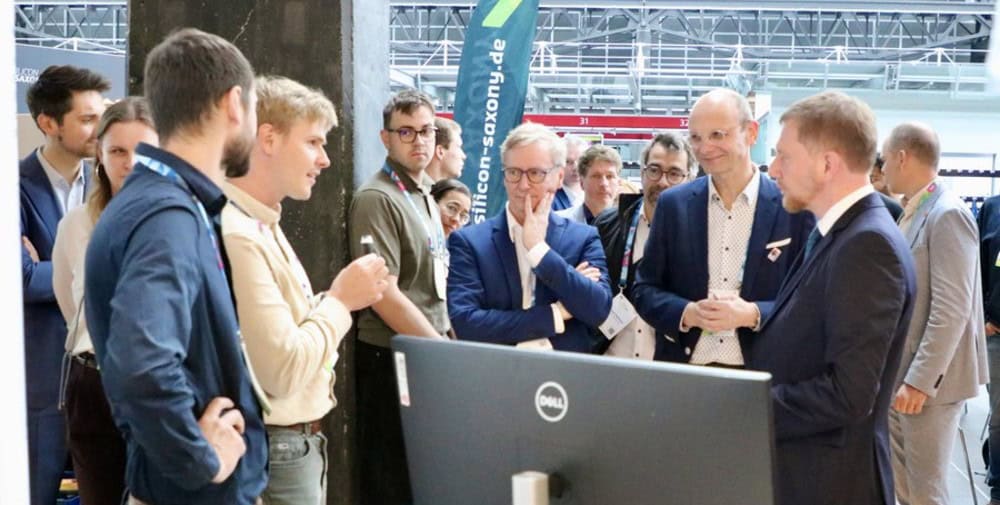
At the Silicon Saxony Days, taking place June 15–17 in Dresden, SEMECO will present the latest developments in secure and connected medical technology. Visitors will gain insights into research projects on AI training that complies with data protection regulations, cybersecurity in healthcare, and the secure, real-time wireless transmission of vital medical data via Bluetooth and 5G. Other exhibits will showcase mobile ultrasound technologies and smart infusion systems designed to support safe therapeutic processes in hospitals.
Through the Clusters4Future initiative, the Federal Ministry of Research, Technology, and Space (BMFTR) supports excellent, primarily regional innovation ecosystems. SEMECO is one of a total of 14 funded Future Clusters. The second of up to three possible implementation phases began in May 2026. In total, SEMECO is eligible for up to 45 million euros in funding over a period of up to nine years. www.clusters4future.de/
SEMECO Office
Dr. Annett Berthold
Dr. Elisabeth Fischermeier
semeco.office@tu-dresden.de | +49 351 458 11630
semeco.info
You need to load content from reCAPTCHA to submit the form. Please note that doing so will share data with third-party providers.
More InformationYou are currently viewing a placeholder content from Turnstile. To access the actual content, click the button below. Please note that doing so will share data with third-party providers.
More InformationYou are currently viewing a placeholder content from Facebook. To access the actual content, click the button below. Please note that doing so will share data with third-party providers.
More InformationYou are currently viewing a placeholder content from Google Maps. To access the actual content, click the button below. Please note that doing so will share data with third-party providers.
More InformationYou are currently viewing a placeholder content from OpenStreetMap. To access the actual content, click the button below. Please note that doing so will share data with third-party providers.
More InformationYou are currently viewing a placeholder content from Instagram. To access the actual content, click the button below. Please note that doing so will share data with third-party providers.
More InformationYou are currently viewing a placeholder content from X. To access the actual content, click the button below. Please note that doing so will share data with third-party providers.
More Information