April 22, 2026. In view of the energy crisis, the EU Commission wants to help people and industry in the short term and put Europe on the path to energy independence. To this end, it presented the “AccelerateEU” toolkit today.
Categories

April 22, 2026. In view of the energy crisis, the EU Commission wants to help people and industry in the short term and put Europe on the path to energy independence. To this end, it presented the “AccelerateEU” toolkit today.
Categories
Tags
Contact info
Silicon Saxony
Marketing, Kommunikation und Öffentlichkeitsarbeit
Manfred-von-Ardenne-Ring 20 F
EU Commission President Ursula von der Leyen said: “Our AccelerateEU strategy will bring both immediate and structural relief measures for European citizens and businesses. We need to accelerate the transition to indigenous, clean energy. This gives us energy independence and security and means we can better weather geopolitical storms.”
EU Energy Commissioner Dan Jørgensen said: “Europe is facing another fossil fuel crisis. This must be a wake-up call and a turning point. With AccelerateEU, we are supporting our Member States to provide immediate help to those who are struggling the most in our society, while doubling down on the transition to a clean economy and electrification. This is the only way to ensure a stable, secure, clean and affordable energy supply for all Europeans.”
Since the escalation of the conflict in the Middle East, the EU has spent an additional 24 billion euros on energy imports due to higher prices, without receiving a single additional molecule of energy. The current geopolitical situation underlines that accelerating the transition to clean, secure and affordable energy is an economic and security imperative.
“AccelerateEU” includes both short-term and structural measures with a longer-term impact to further reduce dependence on volatile fossil fuel markets and strengthen Europe’s resilience to future risks based on clean, domestic energy and electrification.
The Commission proposes the following actions:
With today’s AccelerateEU Communication, the Commission is responding to the request made by EU leaders at the European Council on 19 March to “develop a set of targeted instruments to mobilize private investment for the clean energy transition”. March to present “a toolbox of targeted temporary measures to address the recent price spikes in imported fossil fuels resulting from the crisis in the Middle East”. It is part of the Commission’s dynamic response, which will evolve as the situation develops. The measures will be discussed by EU leaders at the informal European Council in Cyprus on April 23-24.
– – – – –
👉 https://commission.europa.eu/index_de
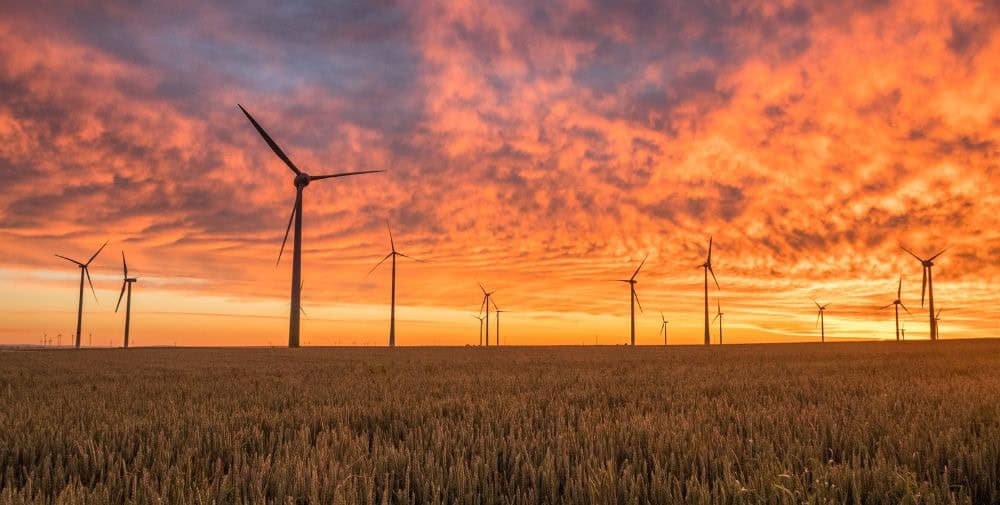
Photo: pixabay
You need to load content from reCAPTCHA to submit the form. Please note that doing so will share data with third-party providers.
More InformationYou are currently viewing a placeholder content from Turnstile. To access the actual content, click the button below. Please note that doing so will share data with third-party providers.
More InformationYou are currently viewing a placeholder content from Facebook. To access the actual content, click the button below. Please note that doing so will share data with third-party providers.
More InformationYou are currently viewing a placeholder content from Google Maps. To access the actual content, click the button below. Please note that doing so will share data with third-party providers.
More InformationYou are currently viewing a placeholder content from OpenStreetMap. To access the actual content, click the button below. Please note that doing so will share data with third-party providers.
More InformationYou are currently viewing a placeholder content from Instagram. To access the actual content, click the button below. Please note that doing so will share data with third-party providers.
More InformationYou are currently viewing a placeholder content from X. To access the actual content, click the button below. Please note that doing so will share data with third-party providers.
More Information