Microelectronics

Fäth: Two-week pilot test demonstrates stable filtration performance and high recovery rates in the treatment of process wastewater

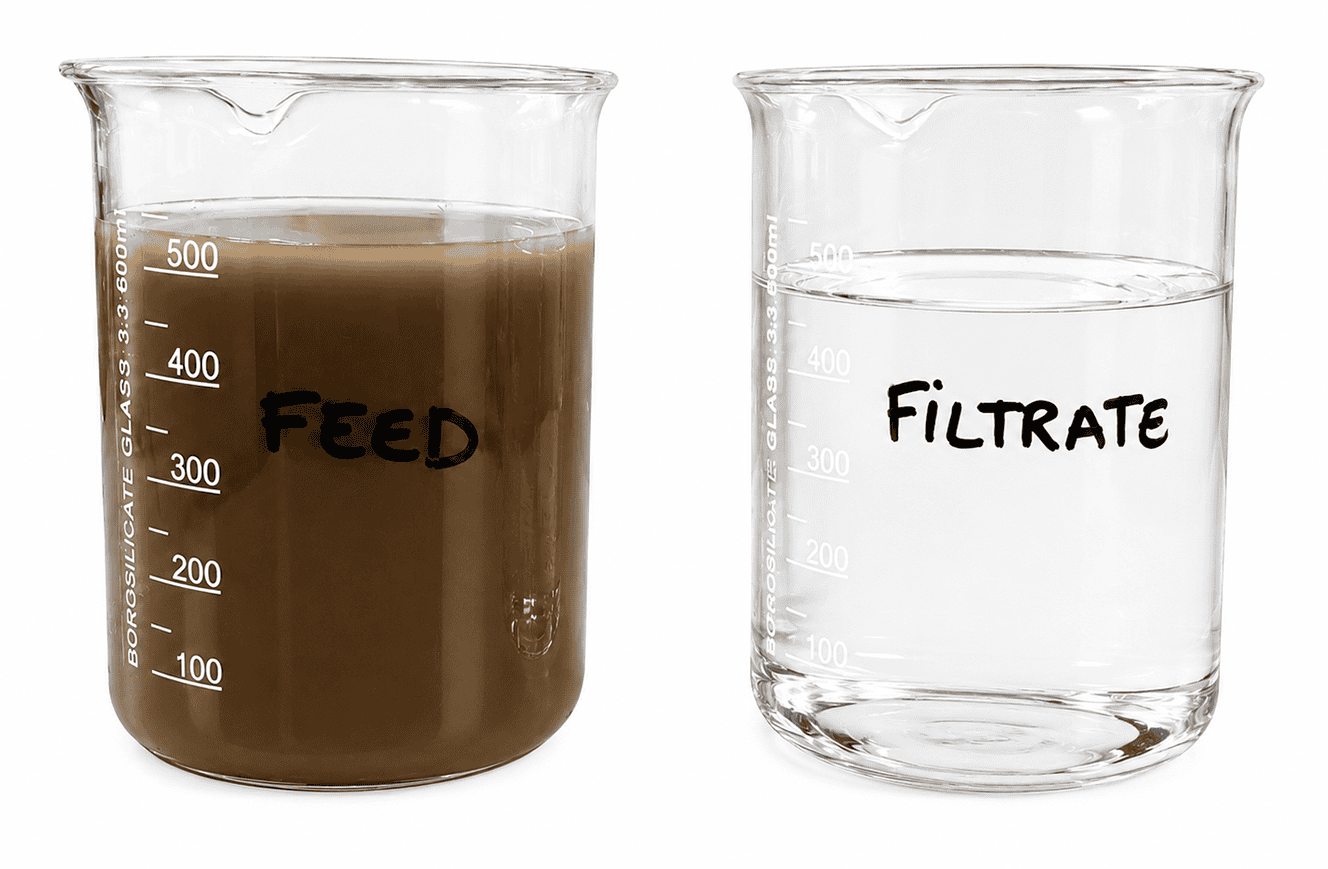
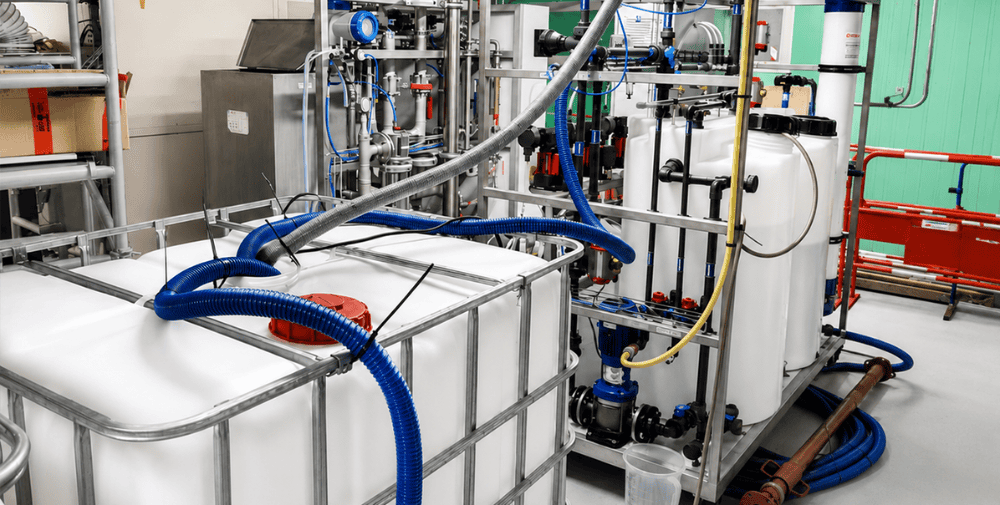
July 13, 2026. The treatment of process wastewater is becoming increasingly important, particularly in the semiconductor industry. A recent pilot study on the ultrafiltration of silicon-containing process wastewater has now shown that cost-effective and technically stable treatment is possible. Over a two-week period, various filtration modes were investigated under real-world process conditions. The focus was on how to efficiently purify process wastewater containing silicon particles and treat it for potential reuse. The wastewater examined had a comparatively low solids concentration of approximately 200–400 mg/l. The goal was to recover as much filtrate as possible while minimizing the resulting concentrate volume.
Share this Post

Contact info

Silicon Saxony

Marketing, Kommunikation und Öffentlichkeitsarbeit

Manfred-von-Ardenne-Ring 20 F

Telefon: +49 351 8925 886

redaktion@silicon-saxony.de

Both a dead-end and a crossflow ultrafiltration process using a PVDF membrane were tested. Both systems operated stably throughout the entire test period. Dead-end filtration achieved a recovery rate of approximately 90–92%. The crossflow process, on the other hand, achieved a recovery rate of around 80–85%.

No irreversible membrane fouling was observed as the test period progressed. Periodic backwashing kept the formation of a surface layer to a minimum, thereby maintaining a constant filtration performance.

Chemical cleaning of the membranes was not necessary during the entire test period.

Laboratory analyses also confirmed the high quality of the filtrate produced.

At the same time, the volume of the resulting concentrate was minimized in a separate experiment using separation technology. The resulting centrate can be fed back into the UF filtration process, further reducing the volume of wastewater.

The results of the pilot test provide a solid basis for the design of future production plants. Due to its higher yield, compact footprint, and low energy consumption, the dead-end process in particular proved to be a promising solution for industrial applications.

Based on the process data obtained, concepts featuring a modular operating mode for capacities ranging from 2 to 15 m³/h have already been developed.

– – – – –

Related Links

👉 www.faeth.com   

Photo: Fäth

Contact info

Silicon Saxony

Marketing, Kommunikation und Öffentlichkeitsarbeit

Manfred-von-Ardenne-Ring 20 F

Telefon: +49 351 8925 886

redaktion@silicon-saxony.de