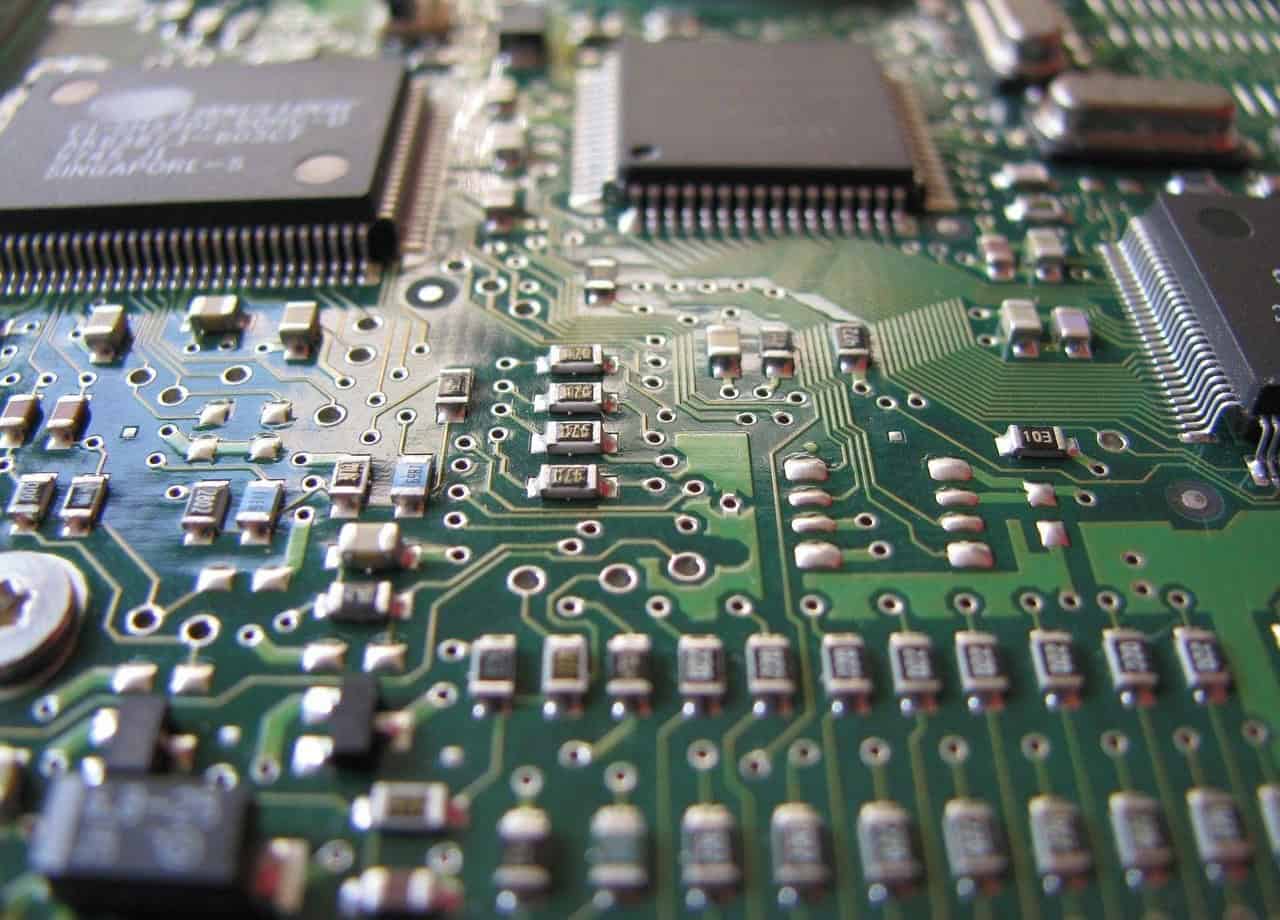
Whether in artificial intelligence, electromobility, medical technology or defense: Without powerful microelectronics, modern value creation comes to a standstill. At the same time, geopolitical conflicts, supply bottlenecks and technological dependencies show how sensitive and strategic this field has become. Technological sovereignty does not mean isolation, but the ability to secure key competencies and remain capable of acting in international value chains.
Berlin is an important location for microelectronics thanks to its excellent research institutions, innovative companies and specialized players.
With this in mind, the Berlin Technology Foundation has published the study “Berlin’s contribution to technological sovereignty in microelectronics” as part of a grant from the Senate Department for Economics, Energy and Public Enterprises (SenWEB). The study analyzes existing dependencies in microelectronics, classifies Berlin’s role in the European and international context and identifies specific development prospects for the location. Based on a well-founded assessment of strengths, opportunities and risks, it makes it clear how closely interlinked and globally distributed microelectronics value creation is.
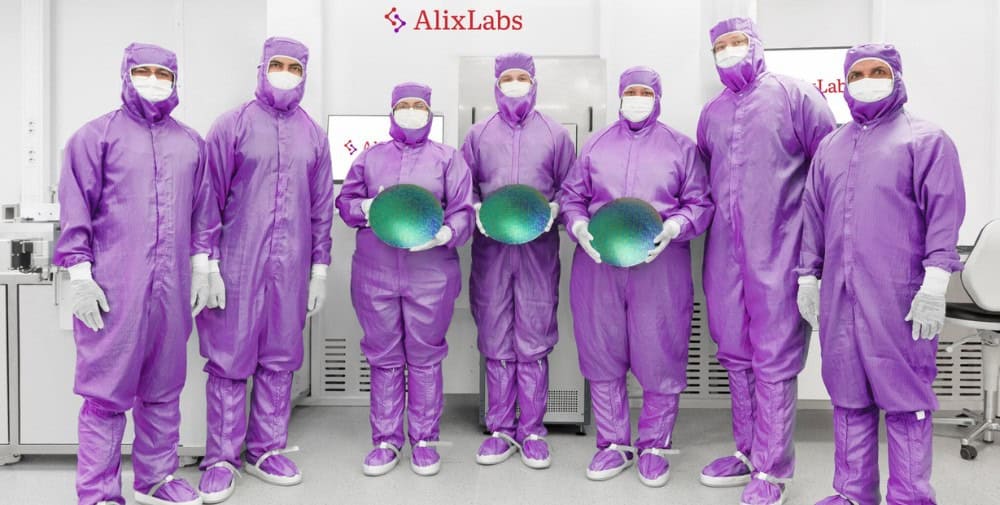
Berlin forms an important hub in this global network. In the European context, the location is primarily involved in the further processing of chips – not in actual chip production. This further processing is a particularly value-adding step, because this is where powerful and marketable applications are created from individual semiconductors. This includes expertise in backend manufacturing (the processing and refinement of chips after
production), advanced packaging (the performance-enhancing combination of several chips in a compact housing), microintegration (the combination of various electronic and functional components into ready-to-use modules) and photonics (the use of light technologies for fast, energy-efficient data transmission and precise sensor technology). According to the study, Berlin has particular strength and growth potential in the transfer between research and industry as well as in the field of advanced packaging, as this is where the foundations for future technologies such as AI and quantum computing are laid. The study also recommends strengthening existing networks and setting a strategic focus in microelectronics.
Franziska Giffey, Mayor and Senator for Economics, Energy and Public Enterprises: “Berlin is a metropolis of innovation and also plays an important role in microelectronics. The past few years have made it clear how crucial this key technology is for industry, economic growth and technological sovereignty. That is why we are specifically strengthening the existing competencies at the location and positioning Berlin even better in international networks. With our funding program to strengthen microelectronics and communication technologies, co-financed by state funds, we are supporting the industry in expanding its value creation and thus creating a resilient and sovereign business location.”
Nicolas Zimmer, Chairman of the Board of Technologiestiftung Berlin: “Without microelectronics, numerous applications for artificial intelligence, the Internet of Things, telecommunications or the automotive industry would be unthinkable. This makes it a “backbone of digitalization”. Our study analyzes Berlin’s competencies, strengths and weaknesses, shows how Berlin can contribute to European technological sovereignty and derives approaches for strengthening this key industry for the state of Berlin.”
The publication “Berlin’s contribution to technological sovereignty in microelectronics” is available for download.
About the Technologiestiftung Berlin
The Technologiestiftung Berlin is a non-profit foundation that is committed to human-centred digitalization. Together with administration, education, culture, business, science and urban society, it is working to shape Berlin’s digitalization in a way that is oriented towards the common good and participatory. In doing so, it is not only a driving force, but also an implementer. It develops digital solutions with open data, source codes and hardware that are accessible to everyone and have an impact beyond Berlin’s city limits.
www.technologiestiftung-berlin.de
Contact
Technologiestiftung Berlin
Vera Dünninger, Press Officer
vera.duenninger@ts.berlin | +49 175 59 78 068
Senate Department for Economics, Energy and Public Enterprises
Lisa Frerichs, Press Spokeswoman
Lisa.Frerichs@senweb.berlin.de
_ _ _ _
Further links
👉 http://www.technologiestiftung-berlin.de/
👉 Publication: Berlin’s contribution to technological sovereignty in microelectronics (German)