Reducing chemicals vs. fighting pathogens
One of the most common sustainability goals is to reduce the use of chemicals. From an environmental and operational perspective, this makes sense as fewer chemicals need to be transported and handled, fewer by-products are generated and operating costs are reduced.
However, chemicals such as disinfectants play an important role in preventing algae or microbial growth and controlling biofilms in pipes and tanks, with dosages varying depending on water quality. Reducing chemical use too aggressively poses additional risks.
Energy efficiency vs. robust treatment
Energy consumption is an important focus for water treatment and sustainability reporting. Some energy conservation measures can significantly reduce operating costs and emissions, but they can also reduce the system’s buffering capacity to surge loads, variable industrial water contaminants and seasonal fluctuations.
Without buffering capacity, system recovery can be slow, impacting operations and maintenance procedures.
Water reuse vs. public trust
Water reuse is often seen as a win for sustainability, but even if the risks are managed, public perception plays a critical role. Concerns remain about certain contaminants and agents that may not be monitored in the lab but may contribute to long-term exposure risks. Public engagement is essential to ensure that treated wastewater is accepted as a water source.
Nature-based solutions vs. predictability
Nature-based treatment systems such as wetlands offer clear sustainability benefits, but these systems can be sensitive to seasonal changes and may not be able to cope with extreme weather events. This unpredictability leads to risks that impact compliance with water quality standards. In many cases, such systems rely on additional water treatment capacity planned further downstream.
Tacitly accepting compromises
Engineers, utilities and plant owners are regularly faced with decisions like these:
- Adding another treatment step for safety reasons and thus accepting higher energy consumption.
- Planning conservatively and optimizing footprint, accepting a lower buffer for water source variability.
- Prioritizing resiliency or achieving efficiency goals.
- Relying on algorithms and automation or human operators.
In the end, failures in public health are immediate and visible, while failures in sustainability are cumulative and less obvious. Do you think this imbalance influences decision-making?
Practical sustainability
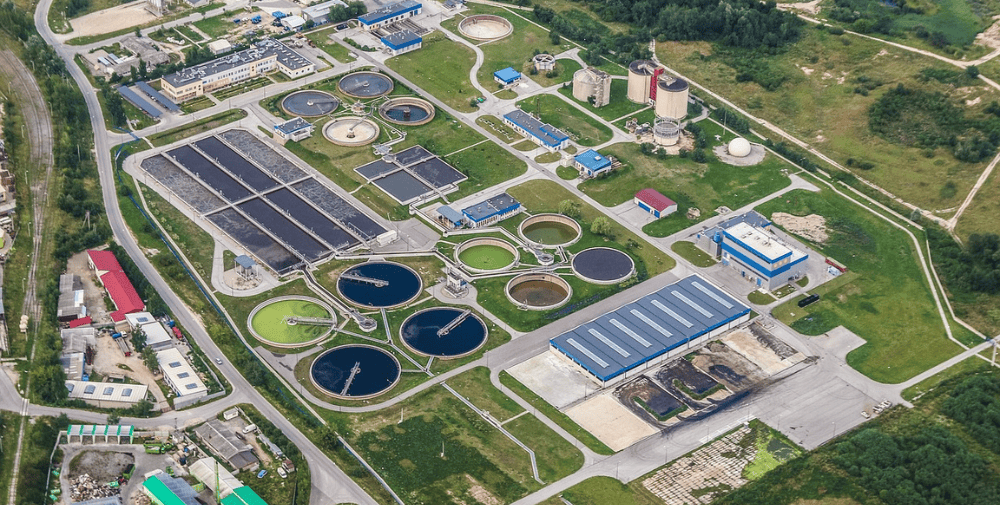
Water treatment is not about achieving the lowest possible numbers on paper when it comes to true sustainability. It’s about balancing environmental goals with reliability, safety and affordability throughout the lifecycle of the system.
This is where a practical, engineering approach is essential. In many cases, simpler, well-designed systems deliver better results – economically, environmentally and operationally.
The most sustainable water systems may not always look particularly impressive on paper – but they are the ones that quietly protect communities, industries and the environment.
– – – – – –
Further links
👉 https://bw-water.com
Photo: pixabay