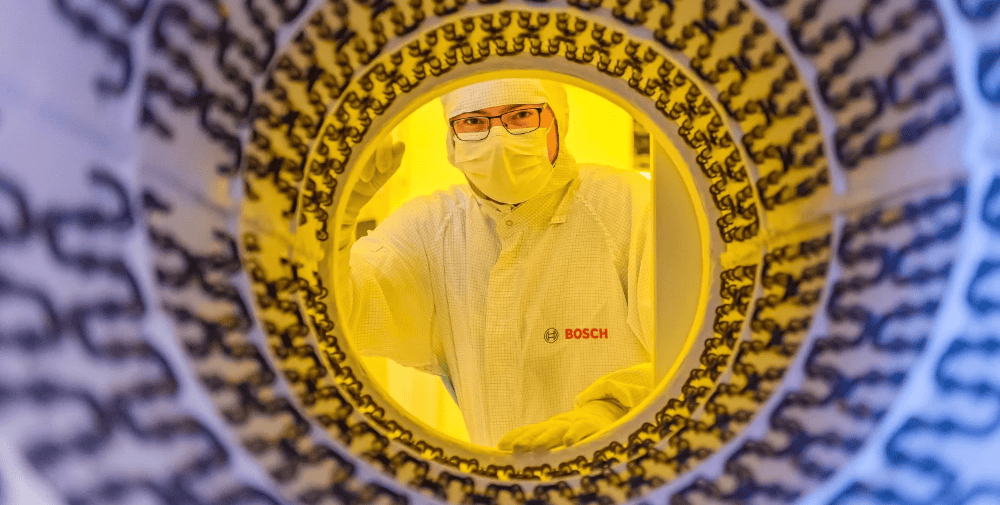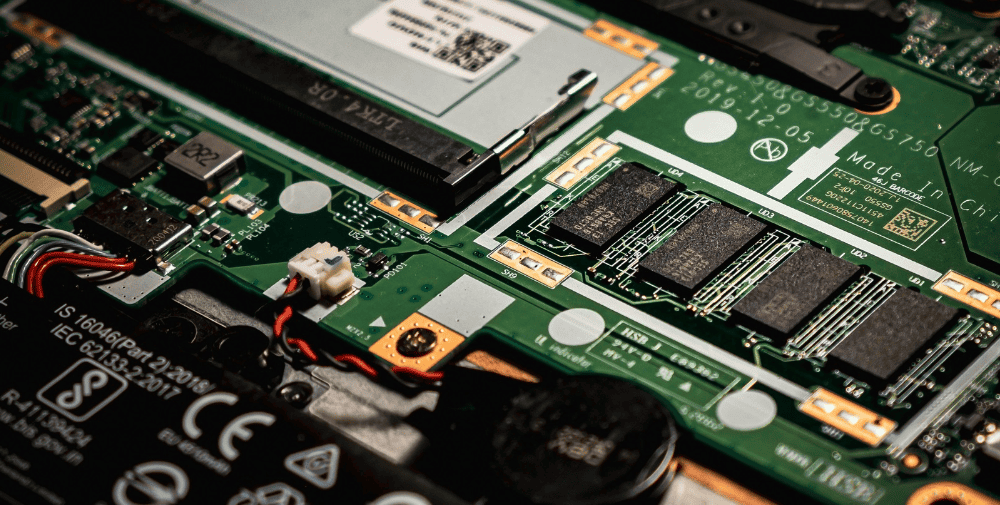
Starting January 1, 2028, Bosch will spin off its semiconductor operations into a new business unit called Semiconductors. The unit will remain part of the Mobility division. Currently, the semiconductor activities are part of the Mobility Electronics business sector.
The company aims to tap into additional sales and growth opportunities for its semiconductors in new applications. In addition to its existing automotive and consumer businesses—such as smartphones and wearables—this includes forward-looking applications in robotics, where Bosch chips are already being used successfully today. “Bosch semiconductors already enable the efficient control of humanoid robots today. High-precision, innovative sensors will form the foundation for further intelligent systems. They are the key to our ‘Technology for Life’ and the technological basis for our customers’ innovations,” adds Heyn. Bosch is already a sought-after and attractive industrialization partner and component supplier for robotics worldwide, as well as one of the leading sensor technology providers for the entire robotics spectrum—from robot vacuums to humanoid robots. In addition, the company will increasingly open up its manufacturing capacities to external partners in the future and is systematically expanding its foundry business.
Bosch is continuously investing in its semiconductor business worldwide
By reorganizing its semiconductor division into the new Semiconductors business unit, Bosch is aligning its organization and processes even more closely with the specific and highly dynamic customer and market requirements of the semiconductor industry. “By establishing a dedicated unit, we are opening a new chapter in our more than 60-year history in semiconductors,” says Erik Rein, who is responsible for Bosch’s semiconductor business. “In the future, we will be able to align ourselves even more closely with our customers’ needs—in the automotive sector, for consumer electronics, and beyond. Our unique strengths in the semiconductor business are our market and technology leadership in MEMS sensors, as well as the integration of semiconductors into our systems business. This includes, in particular, silicon carbide chips and application-specific integrated circuits (ASICs). “We intend to build on these strengths and leverage them in selected new markets,” Rein emphasizes.
With approximately 40 semiconductor sites worldwide for research, development, and manufacturing, Bosch has a global presence. In recent years, the company has invested approximately three billion euros in its semiconductor sites in Dresden and Reutlingen. In Roseville, California, Bosch is spending approximately two billion U.S. dollars to retrofit its plant for the production of specialized silicon carbide chips. To strengthen its global resilience, the company also plans to further expand its test center in Penang, Malaysia, by the middle of the next decade. Furthermore, Bosch holds a 10 percent stake in the joint venture European Semiconductor Manufacturing Company (ESMC) GmbH in Dresden.
Control Units and Power Electronics for the Internal Automotive Business
To date, the semiconductor business has been part of Bosch’s Mobility Electronics division, as has Bosch’s internal business with electronic control units and power electronics. Starting in January 2028, the Mobility Electronics business sector will include the business with electronic control units for automotive applications.
– – – – –
Related Links
👉 www.bosch.de
Photo: Bosch