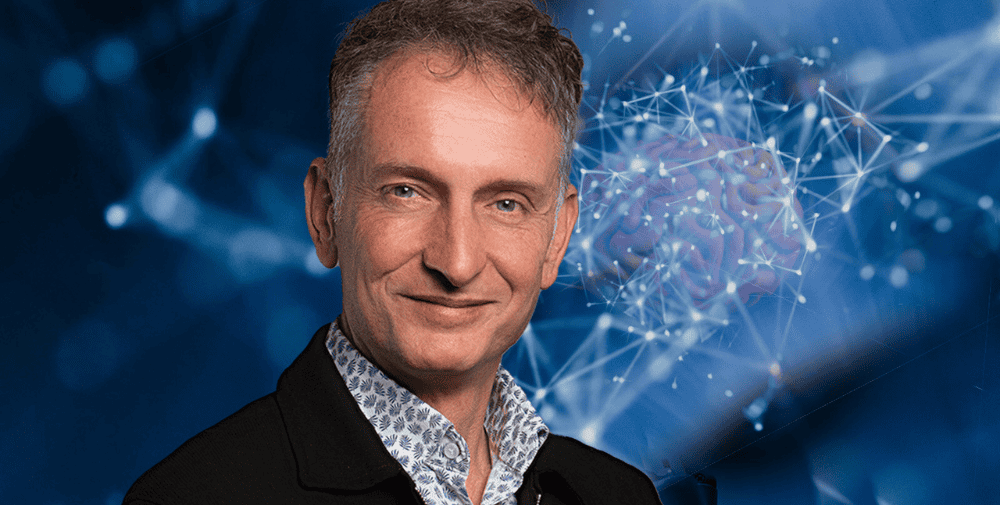
Background:The emergence of habitual behavior in both animal and human brains reflects the nervous system’s ability to efficiently delegate cognitive and neural resources. By automating frequently repeated responses, the brain minimizes the need for cognitive effort and decision-making. This allows individuals to focus on other complex tasks. “Just as the human brain automates frequently repeated responses to free up cognitive capacity, AI systems can benefit from habit-like mechanisms to optimize processing efficiency,” says Hamker. By learning and automating frequently used decision patterns, AI can minimize redundant calculations, reduce computational load and shorten response times. “This not only improves overall efficiency, but also contributes to energy savings, as neural networks and reinforcement learning models require considerable computing power,” says the Chemnitz AI expert.
From the researchers’ point of view, future AI systems could therefore be significantly improved if they enabled both detailed model-based learning and automated habit learning. The team from Chemnitz and Magdeburg also wants to transform shortcuts that exist in the brain into AI. “We assume that these shortcut-like concepts are advantageous in the calculation of routine tasks, as they require significantly less computing power and therefore considerably reduce energy consumption, while at the same time maintaining the flexibility of the AI systems,” says Hamker. The brain-inspired AI model will be compared with current AI methods and the cognitive flexibility of humans in terms of performance and energy consumption.
The interdisciplinary project is being funded by the Federal Ministry of Research, Technology and Space (BMFTR) with around 365,000 euros until December 2028 as part of the “Neurobiologically inspired artificial intelligence” call. The project results are intended to lay the foundations for a novel computationally and energy-efficient AI system that is suitable for learning automation and solving complex tasks in a wide range of application areas.
Contact
Prof. Dr. Fred Hamker
Professorship of Artificial Intelligence at Chemnitz University of Technology
Phone +49 (0)371 531-37875
Email fred.hamker@informatik.tu-chemnitz.de.
– – – – –
Further links
👉 www.tu-chemnitz.de
Photograph: Jacob Müller